


NFT stands for Nutrient Film Technique.
In the world of Hydroponics, Nutrient Film Technique is quite popular. NFT is a method of growing plants in nutrient rich solution. What makes it stand out? Let's look further,
What is Nutrient Film Technique?
Nutrient Film Technique is one of the methods of growing plants in hydroponics where a narrow stream of nutrient rich oxygenated water is circulated where it just touches the roots of the plants. NFT Channels are usually made out of plastic which are food grade in nature. Most of the commercial hydroponics farms in India employ this technique for successful crop production.
The nutrient solution flows in a very thin film of about 1–2mm in height, hence the name nutrient film technique. The continuous flowing of nutrient film is very essential to keep the nutrient solution oxygenated.
Types of Nutrient Film Technique
Broadly, commercial hydroponic farms in India use two different types of systems — NFT and DFT. DFT stands for Deep Flow Technique. The only difference between these two systems is that the depth of the solution is much higher in DFT.
DFT rose to popularity due to its resilience to power outages which are common in rural areas.
The channels that are used for commercial NFT farms are of two types:
- Open type – The channel is made of two parts. One is the top and the other is the bottom channel. The top channel acts like a lid and helps maintain the channel between crops.
- Closed type – This channel is made of one piece. Maintenance and cleaning is done via the slots made for the netpots.
Best Plants for NFT System
Jokes aside, NFT system is better suited for plants that have a shorter time to harvest. Green vegetables and salad crops are the best plants for growing in an NFT system. In all the commercial hydroponics farms set up by Hyperfarms, we suggest the following crops for planting in an NFT system:
Lettuces, Spinach, Kale, Bok Choi, Tatsoi, Coriander, Parsley, Basil, Chives etc.
These crops have shown high yield in a short period of time when grown using NFT.
NFT System Components
Whether it is an indoor hydroponic NFT system or a commercial hydroponics NFT system, the components required to build a successful NFT are more or less the same. Here is what you need to build an NFT system:
- NFT Channels or gullies.
- Pump for recirculation of nutrient solution.
- Net pots to contain the plants.
- Growing media to start seedlings.
- A reservoir/tank to contain nutrient solution.
- Tubes to distribute the water from nutrient tank to NFT channels.
- Return system to carry the used nutrient water back to the nutrient tank.
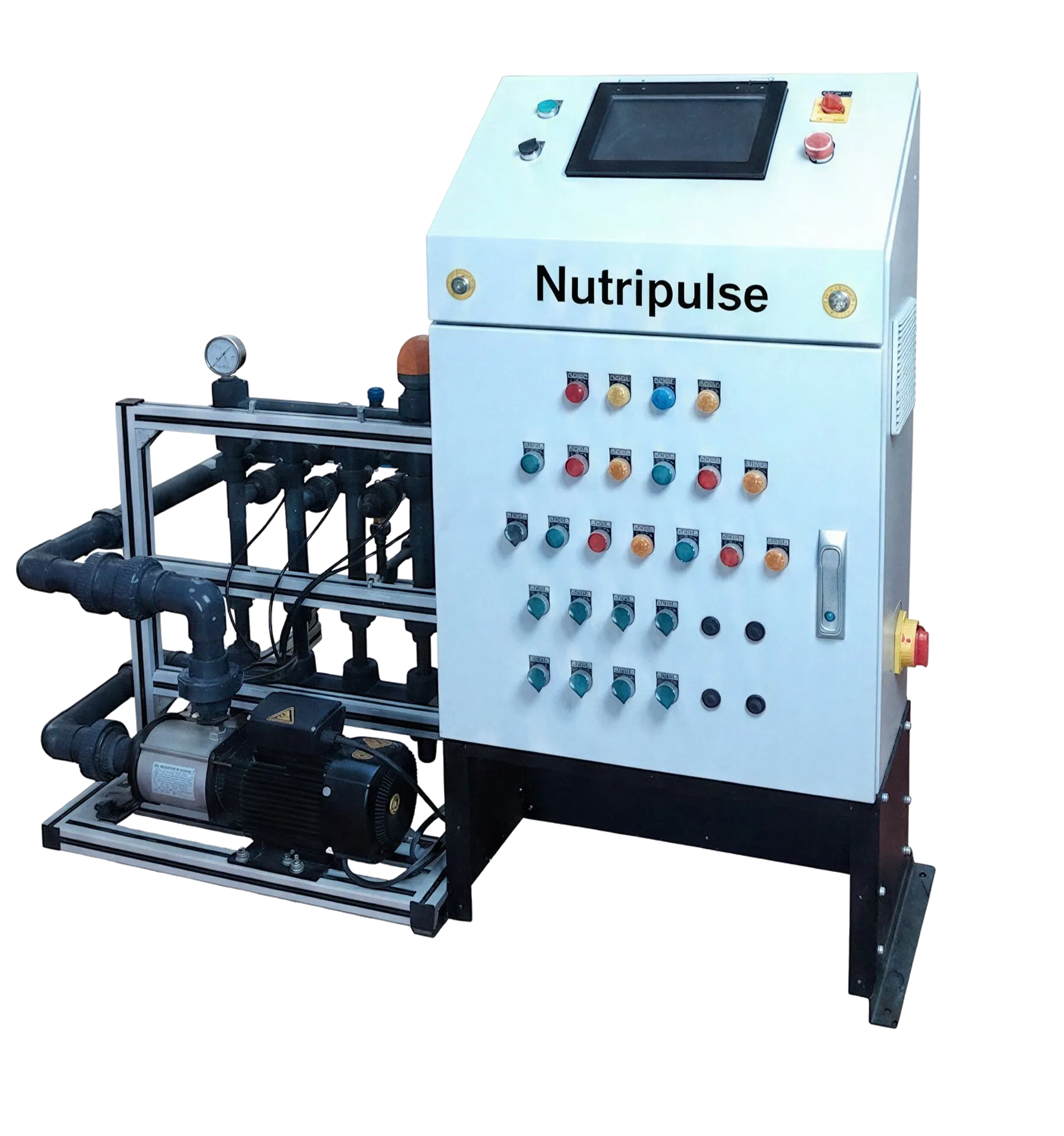
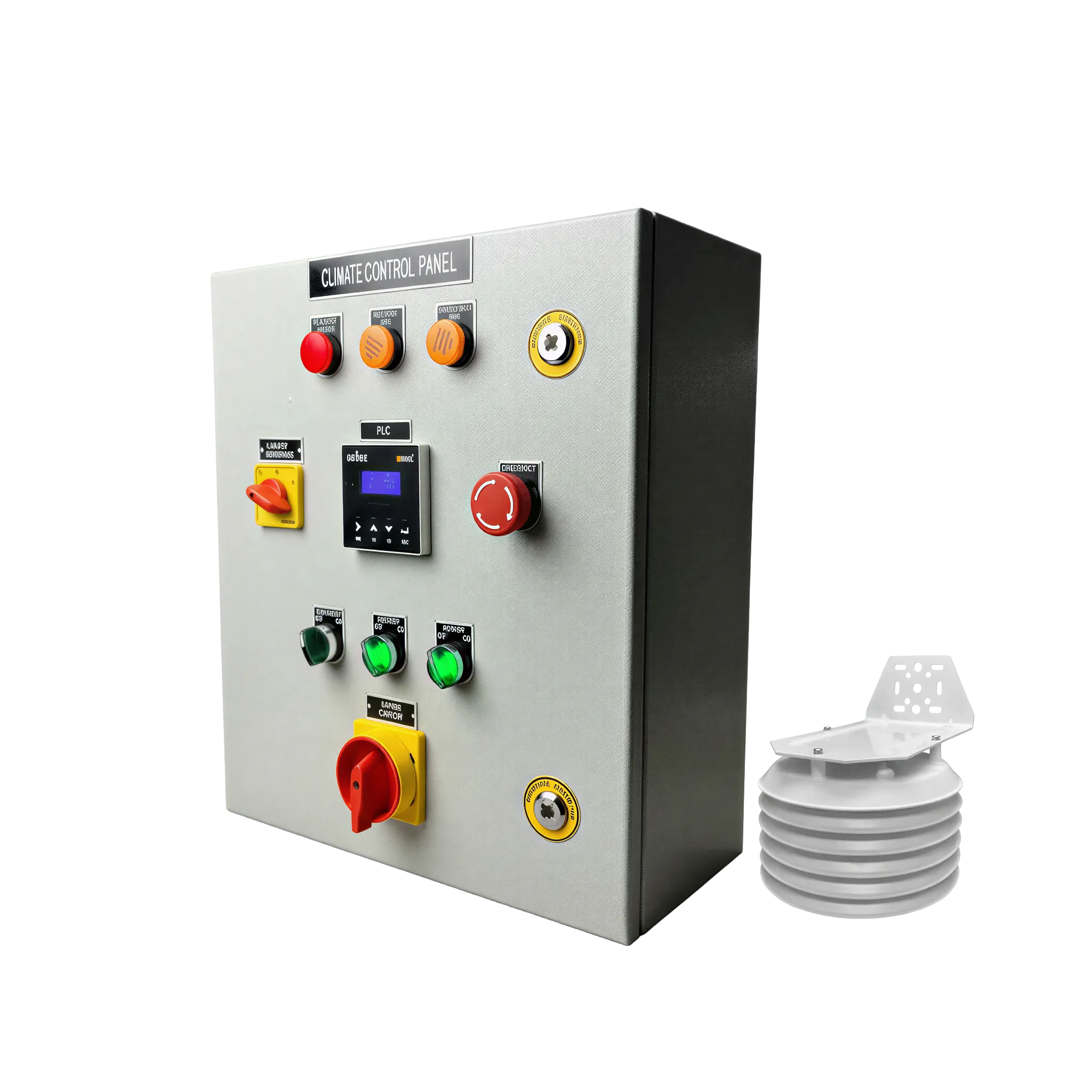
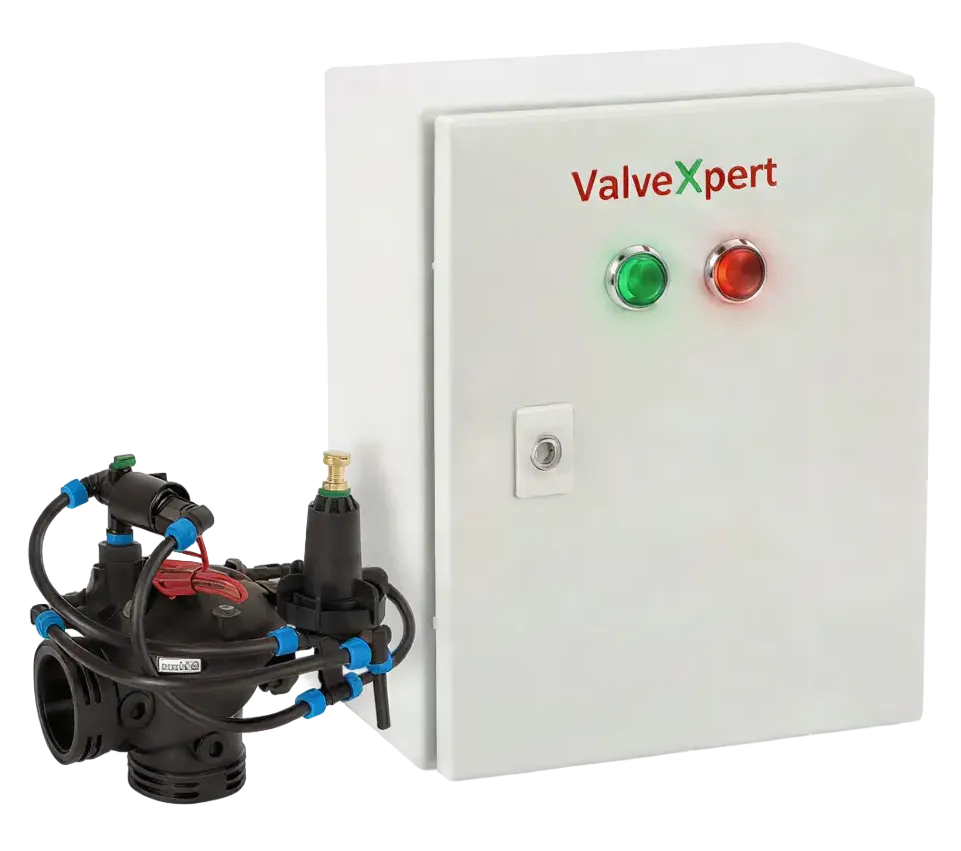
- Filters/Controllers for larger commercial NFT installation.
- Best hydroponics nutrients that will help grow plants.
The main and important dependency of an NFT system is its need for continuous power.
Advantages of Nutrient Film Technique
- NFT compared to other growing methods of hydroponics, helps in mass production of plants on a commercial scale.
- Uniformity of the produce across the farm — one of the main advantages of NFT.
- You can easily inspect the growing roots for any symptoms of diseases.
- Very minimal water used as the water is recycled. Up to 85% of water savings compared to a conventional way of production.
- The nutrient solution is not drained to the ground, thereby avoiding ground water contamination.
- No soil-borne pests to the crop as there is no contact with soil.
- No problem of weeds. No weeding results in reduced manpower input.
Disadvantages of Nutrient Film Technique
There is always 2 sides for a coin. The disadvantages of NFT system are:
- The major disadvantage is the need for continuous electricity. If the flow of nutrition stops, plants get stressed and dry out very quickly.
- Not suitable to grow long term plants and also crops whose roots are consumed, e.g. Potato.
- Equipment failure, if unnoticed, can quickly result in crop loss.
- Infections can spread easily if not contained at the right time, since the reservoir is shared for all the plants.
- Performs very well in colder weather conditions or a climate controlled greenhouse.
How to Design your own Farm
Ever wonder how to convert the smallest of your space into a green one? Farm design plays a crucial role in commercial hydroponic farm setup. Designing a farm need not be tough and daunting. We at Hyperfarms hand hold you at every stage of your journey, be it an urban, rooftop or a commercial farm.
We are a turnkey solution provider of hydroponics in India. We provide Urban hydroponics farming and Commercial hydroponics farming solutions in India.
Our commercial hydroponic farm solutions are based on your requirements — right from the land survey until your first yield, we have your back!
So, what is stopping you from growing? Be it a balcony or a roof top or a commercial hydroponic farm setup, we are at your disposal. Grow with us!