



Systems: Nutripulse, ClimateX MINI, ValveXpert
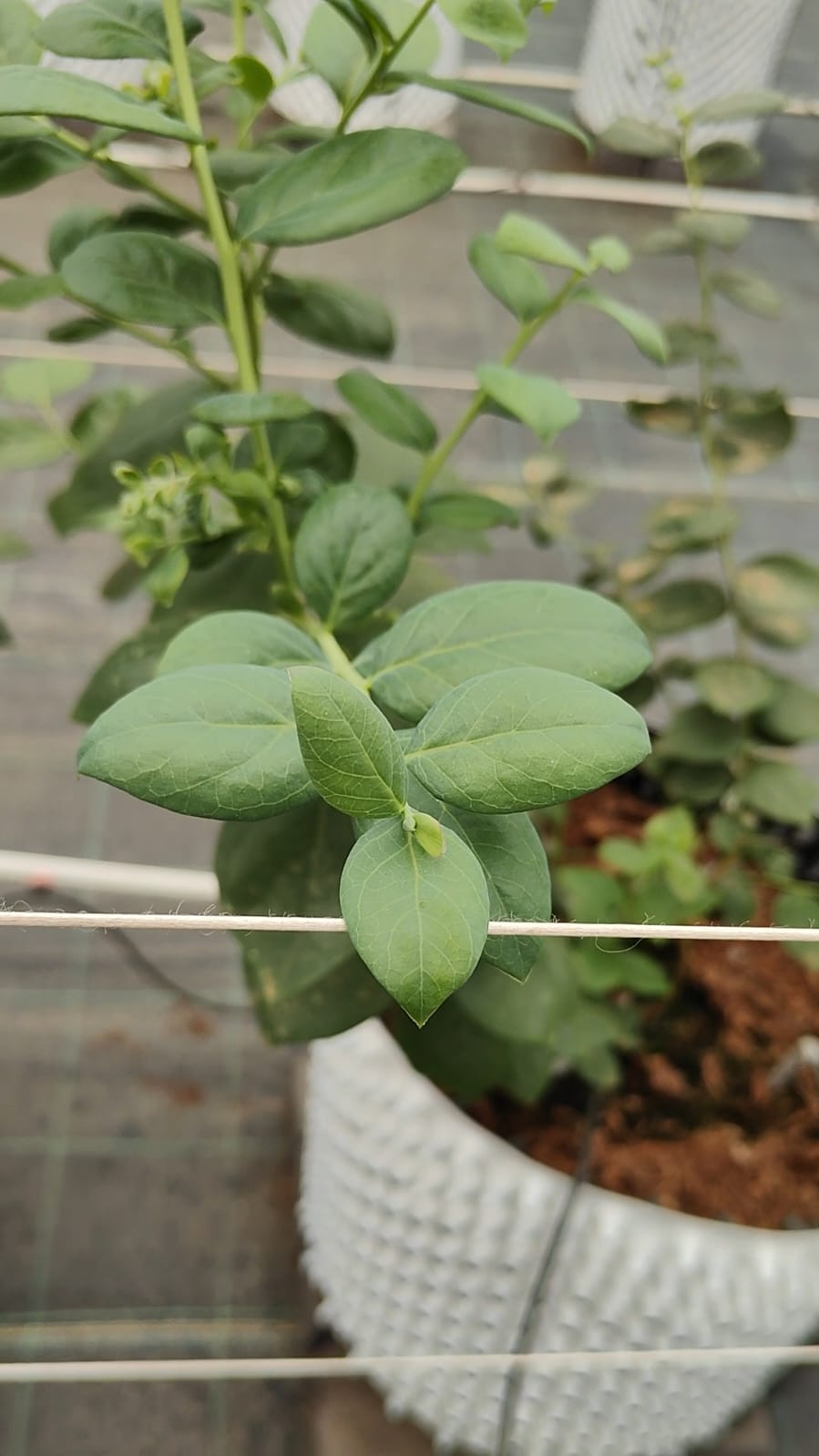
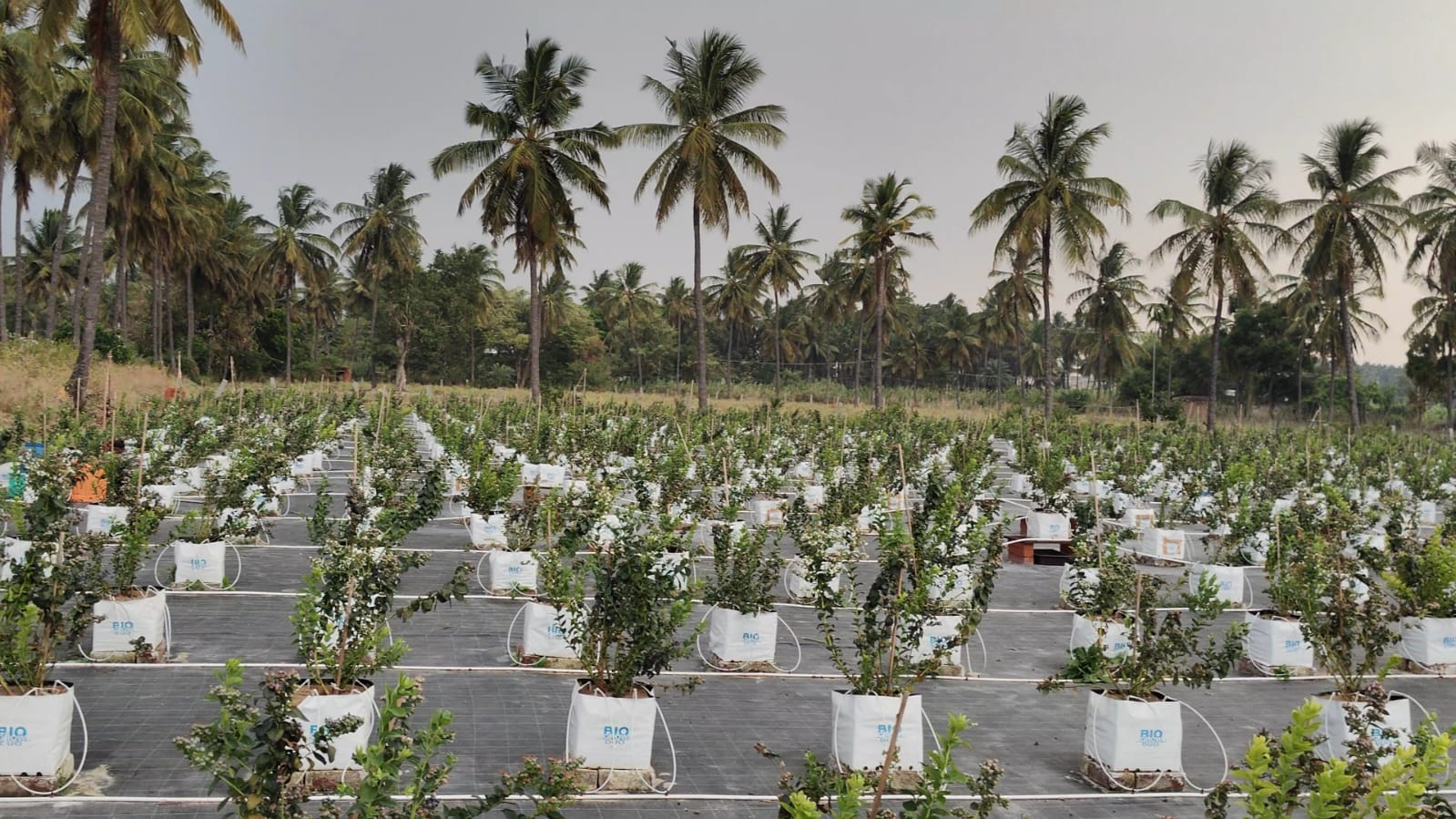
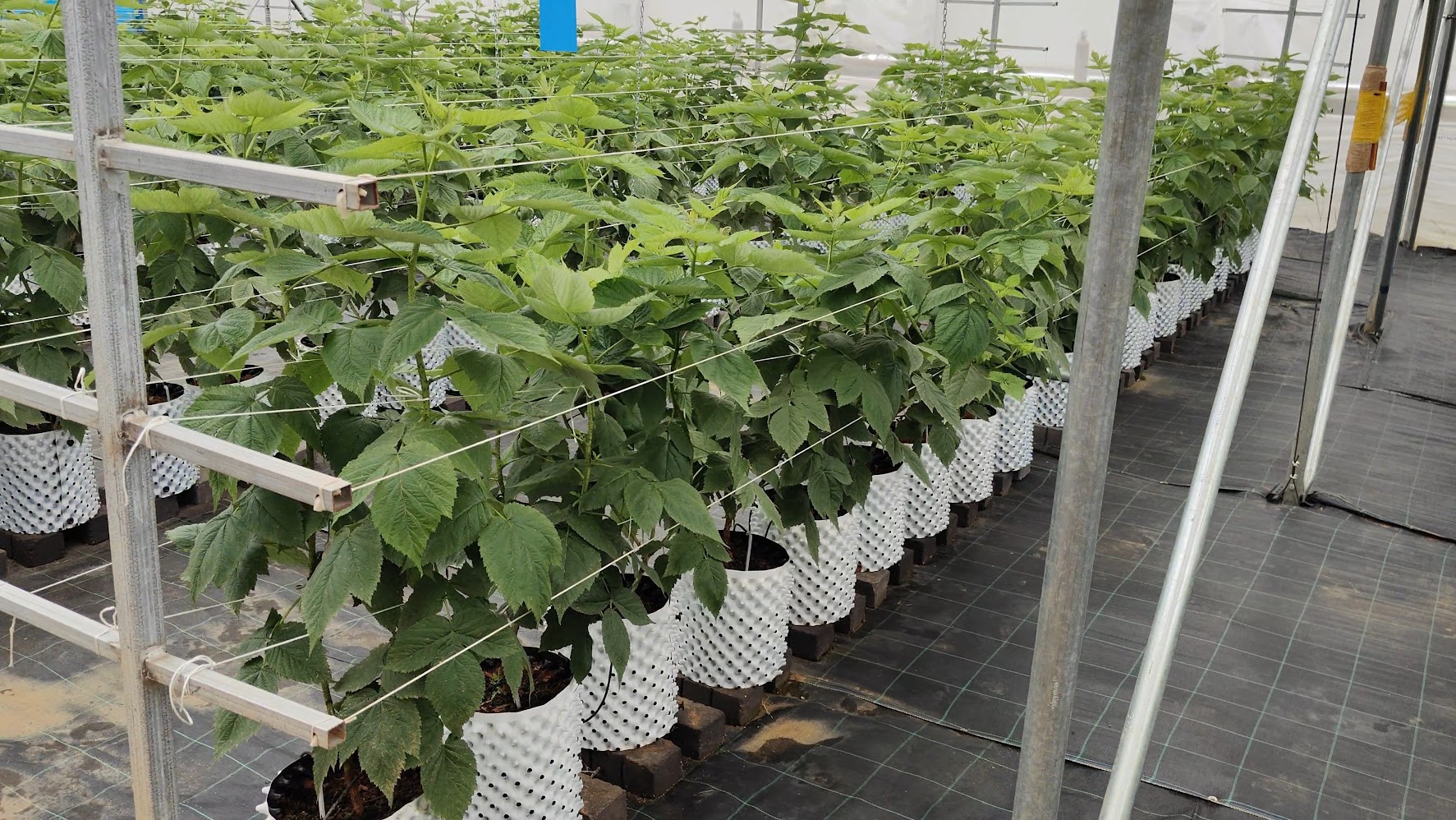
Mixed berry farms are becoming more common across India's cooler growing belts, where a grower will plant Fragaria (strawberry), blueberry and raspberry on adjoining blocks to spread harvest windows and de-risk a single crop's price swings. On paper this looks efficient. In practice it creates a fertigation problem most growers underestimate until the first season is underway. Blueberries want an acidic root zone, typically pH 4.5 to 5.5, and are unforgiving if lime-heavy irrigation water pushes them outside that band. Strawberries are comfortable closer to pH 5.8 to 6.2, with EC needs that shift sharply between vegetative growth and fruiting. Raspberries fall somewhere in between, tolerant of a wider pH window but sensitive to overwatering at the root collar, especially outdoors where rain adds an unpredictable variable dosing schedules don't control for.
Running all three off one dosing line, with one blended recipe, is how growers end up with blueberries showing iron deficiency by month four while the strawberries look fine. The three crops don't just need different NPK ratios, they need different acid dosing to correct the same source water to three different pH targets, and they need it running on independent schedules since strawberry fruiting cycles and raspberry primocane growth don't align. Outdoor blocks add rainfall to the equation too. A dosing system that can't skip or scale back a cycle after unexpected rain will overshoot EC on whichever crop is most sensitive that week, and blueberries are usually the first to show the stress.
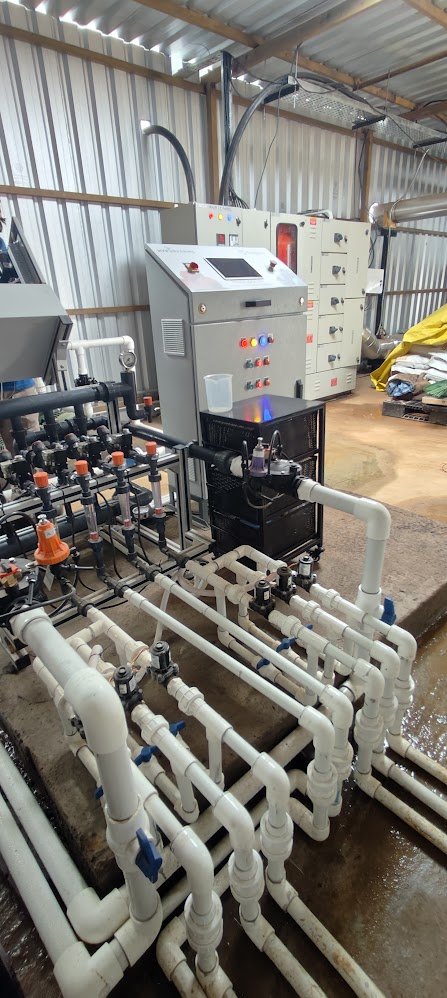
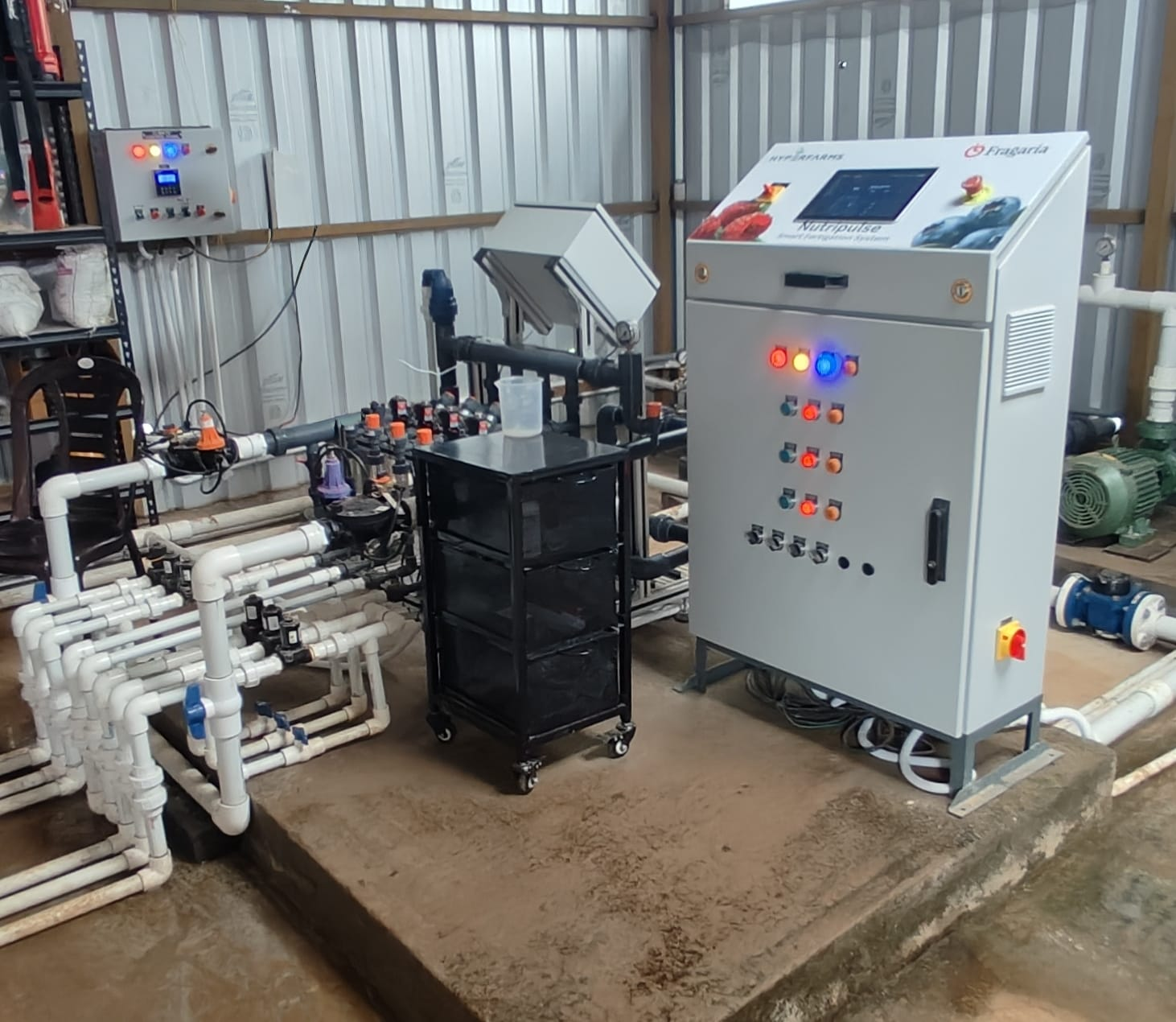
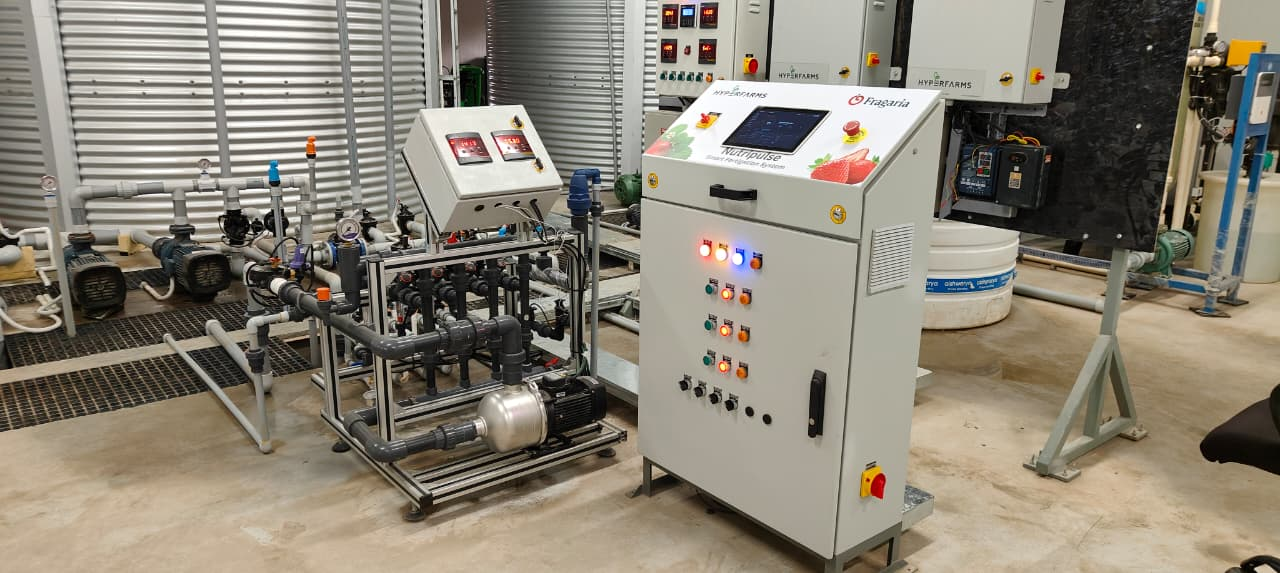
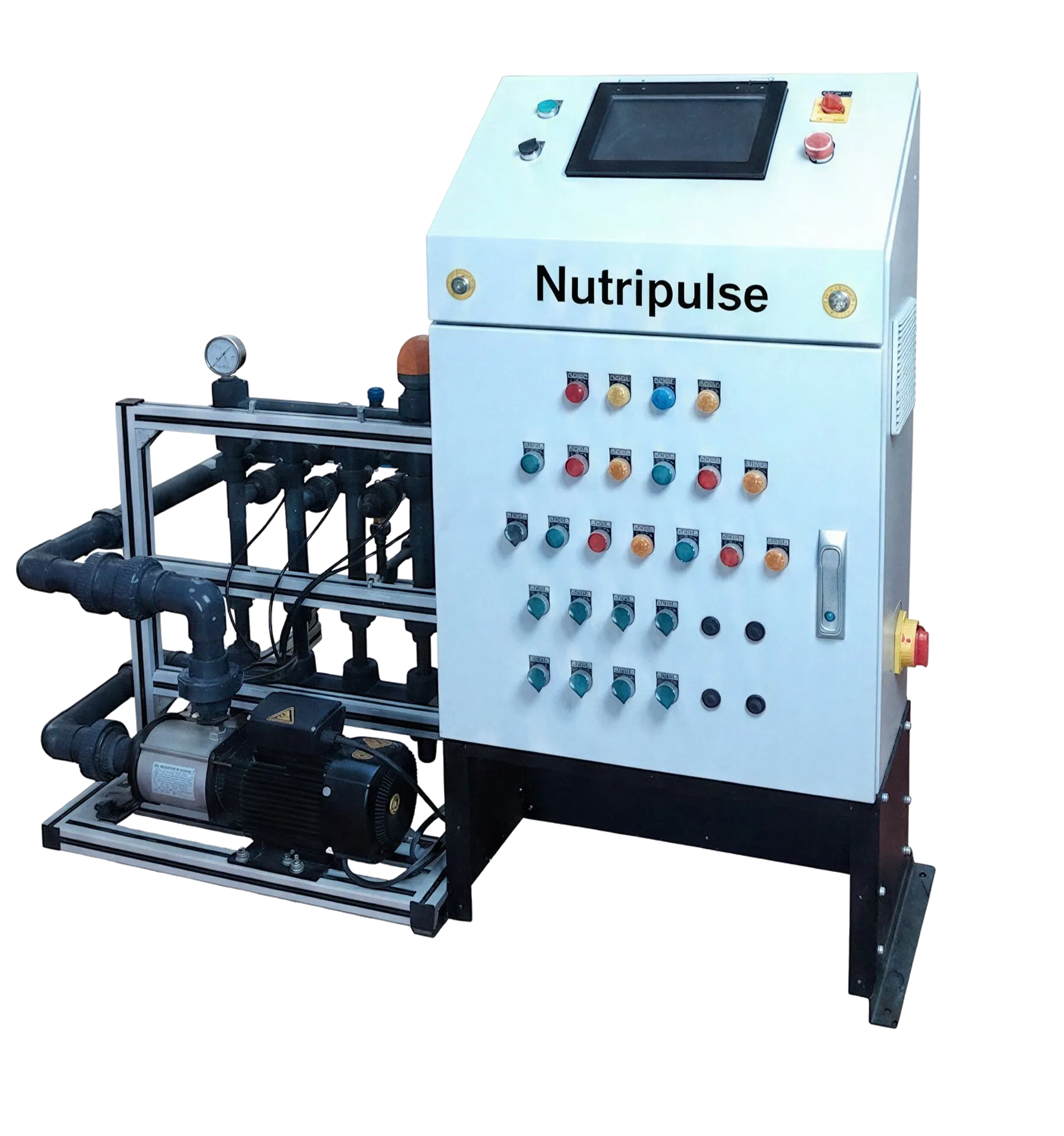
This is the exact scenario Nutripulse is built for. Because it supports multiple independent recipes running off the same fertigation setup, each block, strawberry, blueberry and raspberry, gets its own pH target, its own EC curve through the growth stage, and its own schedule, without needing three separate physical dosing systems.
Project Gallery