




Blueberry Farming in India: Why Fertigation Decides Who Actually Makes Money
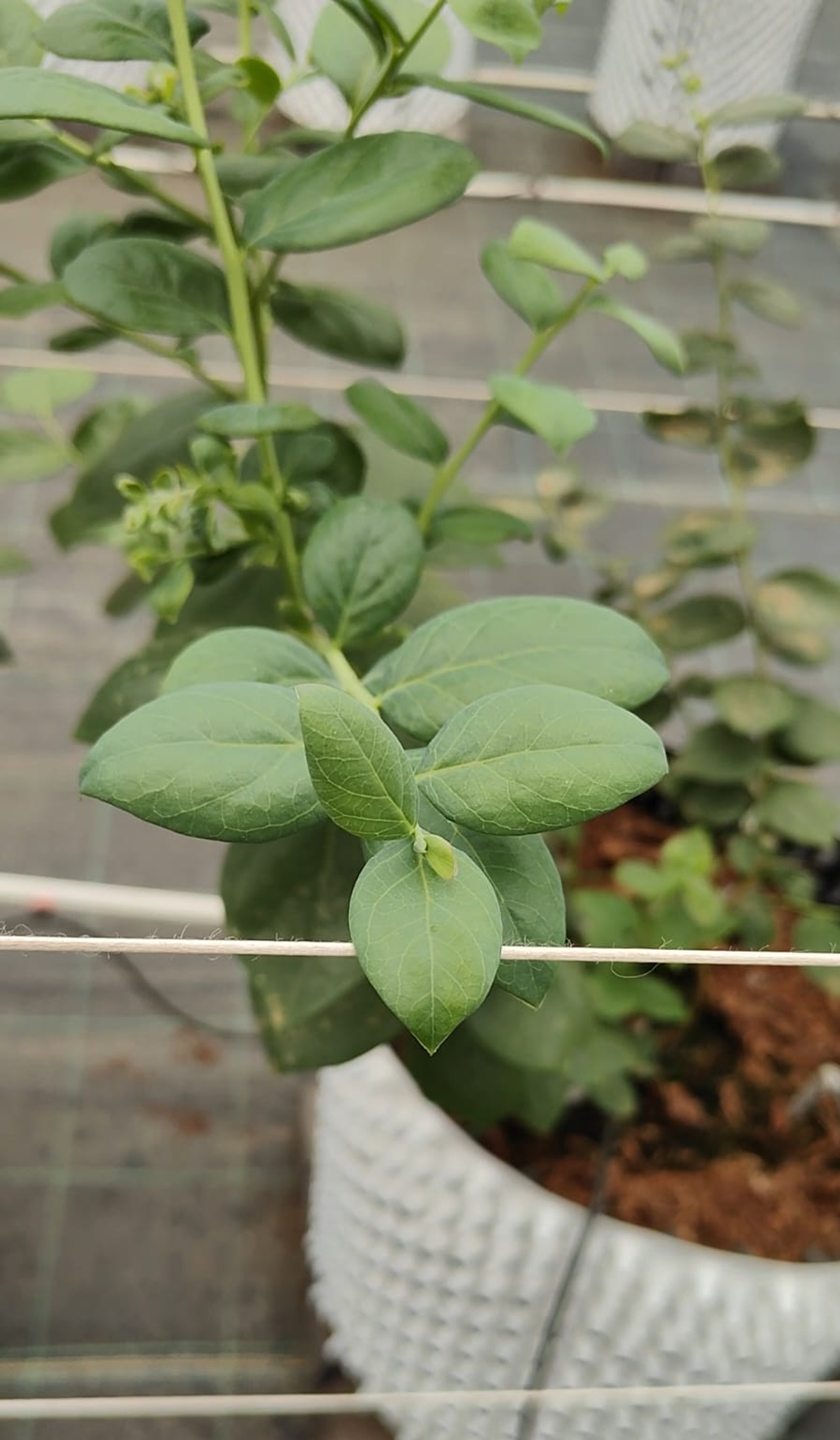
Blueberry has become the crop everyone in Indian horticulture is suddenly talking about. Import bills running past 20,000 metric tons a year against a domestic base of barely 2,000 to 3,000 tons. Wholesale prices sitting at 800 to 1,200 rupees a kilo, retail well above that. Progressive farmers, agri-entrepreneurs, and even corporates now treating it as the next high-value crop after strawberry and capsicum.
That demand-supply gap is real, and it's what's pulling new growers in every season. But the excitement around blueberry glosses over an uncomfortable fact: this is not a crop that forgives casual management. And in India specifically, it's not even a crop with a friendly climate to begin with.
The Climate Problem Nobody Can Fix
Blueberries evolved in the cool, acidic soils of North America. Almost nothing about that matches default Indian growing conditions.
Three things work against the crop from day one:
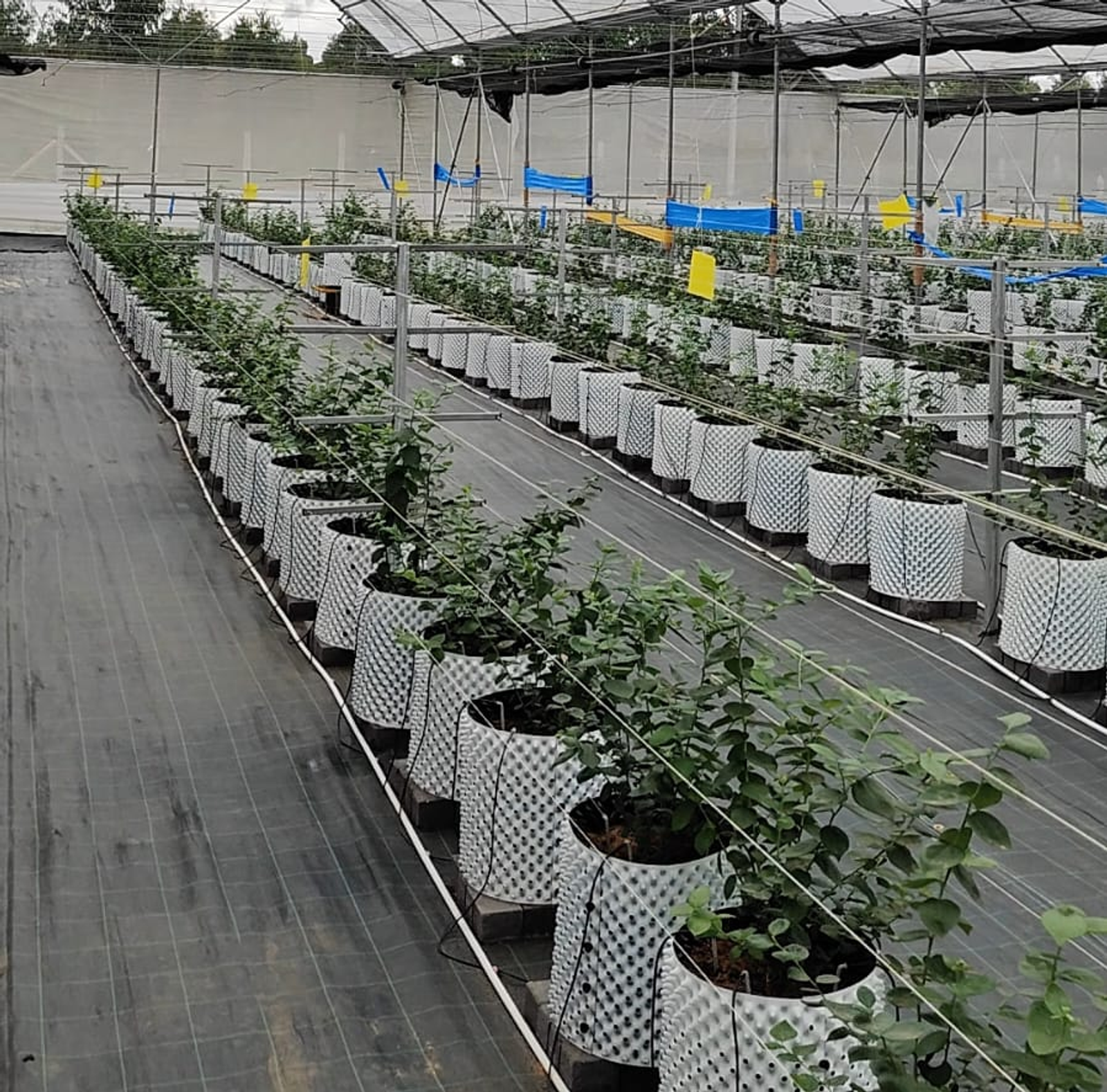
Soil pH. Blueberries need a root zone between 4.5 and 5.5. Most Indian soils sit between 6.5 and 8.0, sometimes higher. That's not a minor adjustment, it's a completely different chemical environment, and it's why commercial blueberry in India happens almost exclusively in soilless grow bags (cocopeat, coco chips) rather than in open ground.
Chill hours. Traditional highbush varieties need 400 to 1,600 hours below 7°C to break dormancy and fruit properly. Outside pockets of Himachal, Uttarakhand, and Kashmir, India simply doesn't have that kind of winter. Zero-chill and low-chill varieties like Biloxi, Emerald, Sharp Blue, and Misty have made cultivation viable across Maharashtra, Karnataka, and Tamil Nadu, but they still need heat management through summer, since plants stress badly above 35°C.
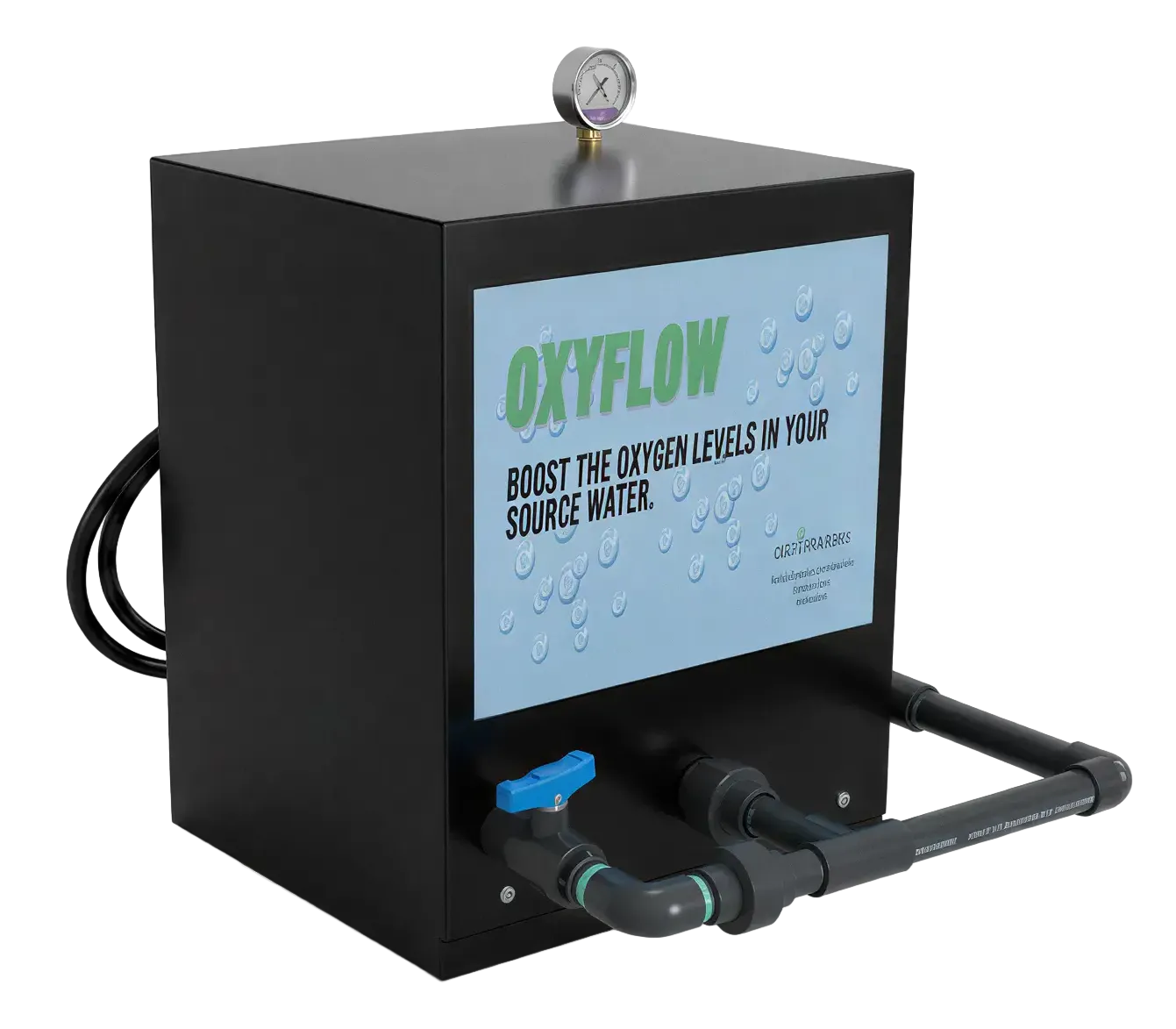
Water quality. Blueberries are highly salt-sensitive. Irrigation water EC needs to stay below 0.8 mS/cm. A lot of Indian borewell water simply doesn't clear that bar, and no amount of good agronomy elsewhere fixes a bad water source.
None of these are things a grower can "manage around" with better technique later. They have to be right from the site-selection stage, before a single plant goes into a grow bag.
Which Is Exactly Why Fertigation Becomes the Elephant in the Room
Here's the part that most beginner guides mention in a single paragraph and move past. Given that India can't offer blueberry the climate it evolved for, everything else in the system has to compensate, and fertigation is where almost all of that compensation actually happens.
Think about what a grow bag substrate system is really doing. You're not growing in soil with its own buffering capacity, its own microbial cushion, its own slow nutrient release. You're growing in an inert, low-buffer medium where the plant gets exactly what you feed it through the drip line, and nothing more. There's no soil to correct your mistakes.
That means:
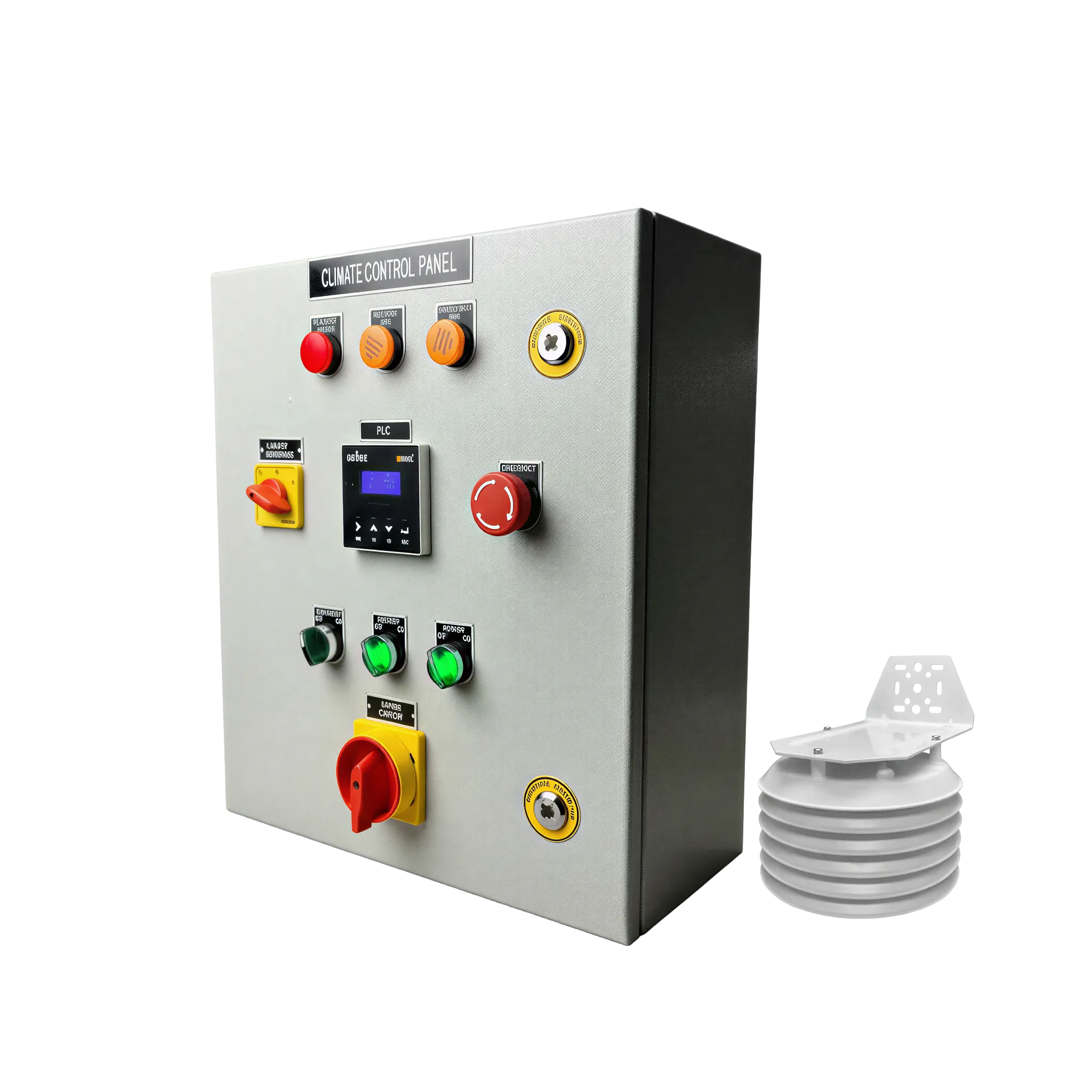
- pH correction happens through the fertigation line, continuously. Acid injection to bring irrigation water down toward 4.5 to 5.5 isn't a one-time soil amendment, it's a daily control loop. Miss it for a few days and nutrient lockout starts, even if every other input was correct.
- Nitrogen form matters more than nitrogen quantity. Blueberries prefer ammonium-based nitrogen over nitrate. Nitrate-heavy fertigation actively pushes root zone pH upward, undoing the acidity you're trying to maintain. Most general-purpose fertigation programs built for vegetables get this wrong by default.
- Feeding has to be daily, not weekly. Grow bag substrate has low buffering capacity, so nutrition can't be "topped up" periodically the way it might be in field soil. A typical program runs close to 1 gram of fertiliser per litre of water, delivered in daily pulses, scaled to plant stage.
- EC and pH monitoring is not optional, it's the whole game. With substrate volume this small (40 to 45 litress per bag), errors compound fast. A grower who's sloppy about EC and pH for even a week can watch months of canopy development stall out.
This is the pattern across every serious guide on the subject: growers list water testing, pH management, and fertigation discipline as the single biggest points of failure, ahead of pests, ahead of infrastructure cost, ahead of variety choice. Birds destroy a harvest in a day. Bad fertigation quietly destroys a crop's economics over an entire season, and by the time it shows up in yield or berry size, the damage is already done.
The Real Scoreboard Is Grade, Not Tonnage
This is the shift growers need to internalise early. Blueberry economics don't reward volume the way a lot of Indian horticulture traditionally has. They reward grade.
An 18mm+ berry sells at a premium. A 16 to 18mm berry moves at export-adjacent pricing. Anything smaller drops into a different, much less attractive price bracket. Modern retail chains, online grocery platforms, and HORECA buyers all grade strictly, and a punnet with mixed sizes or soft fruit damages a grower's standing with a buyer fast. The whole revenue model, that 15 to 30 lakh rupee per acre profit number at maturity that shows up in every farm economics table, assumes Grade A output. Drop the grade and the same tonnage can be worth half as much, or less.
And berry size, uniformity, and firmness are downstream of exactly the things fertigation controls. Consistent EC through fruit development. Balanced potassium and calcium supply during sizing. Stable pH so the plant can actually take up what's being fed. A plant that's been fed inconsistently produces inconsistent fruit, plant to plant and even bag to bag, and that inconsistency is what tanks a punnet's grade.
So the honest framing for anyone entering blueberry in India right now isn't "can I grow this crop." Zero-chill varieties and protected cultivation have mostly answered that question. The real question is "can I run a fertigation program tight enough, every single day, for years, to consistently hit Grade A." That's a very different skill requirement than most Indian horticulture demands, and it's exactly where projects quietly underperform even when the infrastructure spend was done right.
Where Nutripulse Fits In
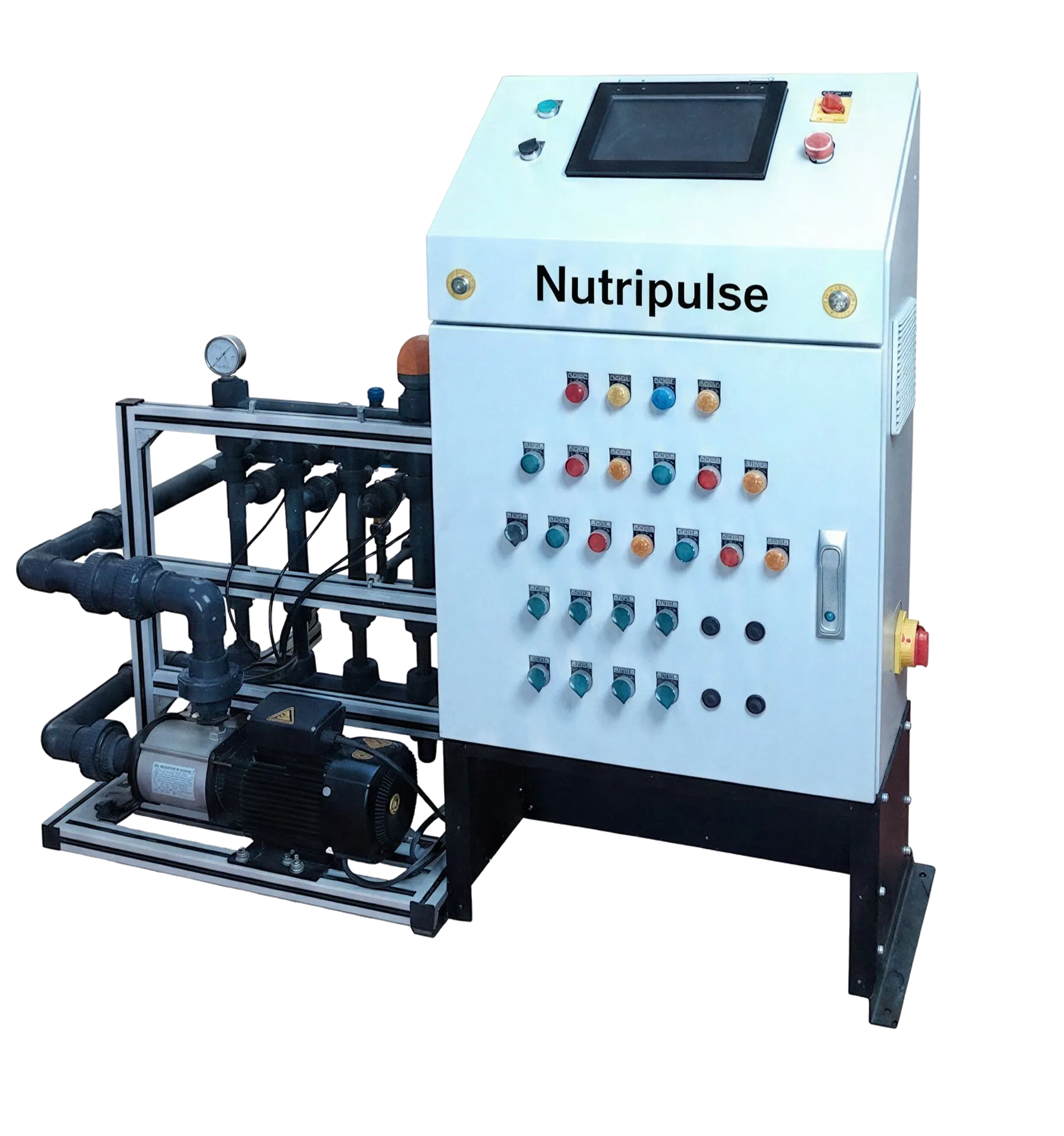
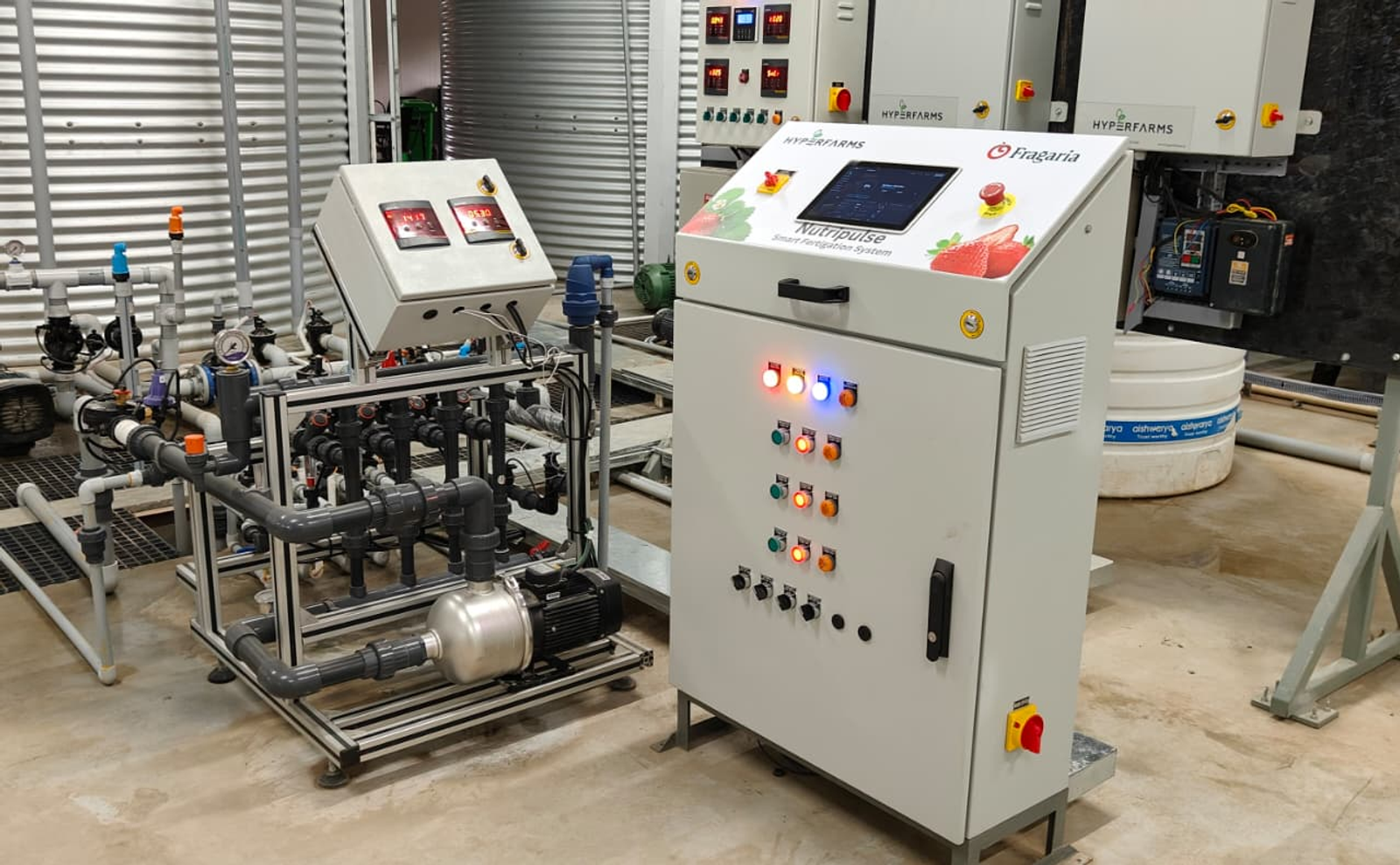
This is precisely the gap Nutripulse was built to close. Manual fertigation, dosing by eye, adjusting acid injection based on yesterday's guess, works for a while on a forgiving crop. It does not work on a crop where the acceptable pH band is a single point wide and the plant shows stress within days of drifting outside it. The need of the our is an accurate and affordable fertigation system like Nutripulse
Nutripulse handles the daily discipline that blueberry demands as a baseline, not a bonus. Precise EC and pH-controlled dosing through Tank A and Tank B, consistent acid injection to hold root zone pH in range, and recipe-based scheduling that adjusts feeding as plants move from establishment to yield ramp-up to peak production, rather than running the same generic program year-round. For a grower managing 2,500 to 3,000 plants per acre on a 40 to 45 litre substrate volume each, that kind of consistency isn't a convenience. It's the difference between a canopy that develops evenly across the block and one that doesn't, between berries that size up uniformly and a punnet that gets rejected on grading.
Growers running Nutripulse aren't trying to grow blueberries despite India's climate. They're building the one part of the system that's fully within their control, dialed in tightly enough to offset everything the climate won't give them for free.
We've already seen this play out on the ground. Farms in Nashik, Bangalore, Nelamangala, and Shimoga, among others, have completed full cycles on Nutripulse fertigation, and the results have been fantastic. Several of these growers run more than one variety in the same block, each with its own pH and EC preference, which in a manual system usually means compromise or constant manual adjustment. Recipe-based dosing handles that variation cleanly, holding each variety's feeding program to spec instead of averaging across them. The outcome shows up the same way every time: consistent canopy development and berries that size up evenly across the block. It's the same pattern this post keeps coming back to, get the daily fertigation discipline right, and the grade takes care of itself.
That's the actual game with this crop. Not growing blueberries. Growing Grade A blueberries, consistently, season after season, at a substrate volume and margin for error that doesn't leave room for guesswork.
Money is for the quality!